Why Simple Card and Memory Games Are Great for Early Learners
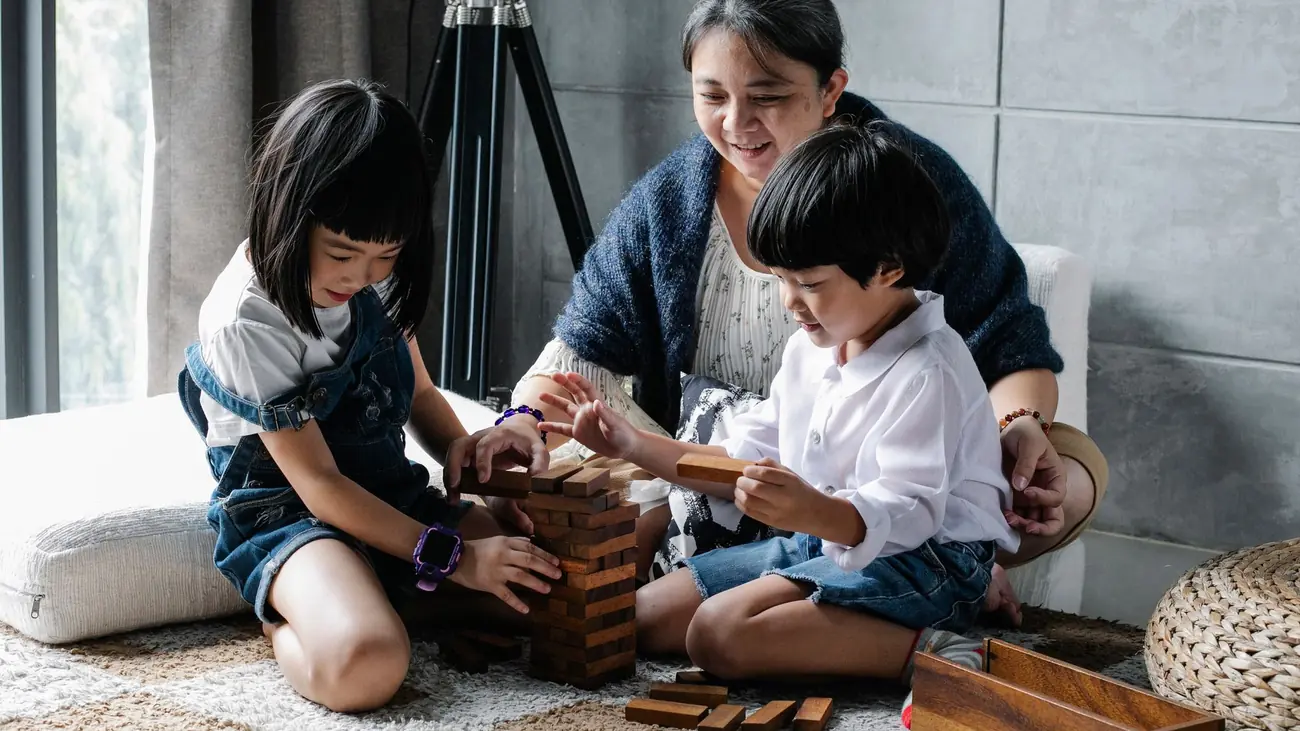
Simple table games do much more than fill a rainy afternoon. Played regularly, they practise exactly the skills children need at the start of school.
Memory games: focus and visual memory
Finding pairs trains concentration and the ability to hold a picture in mind. Start with 6–8 pairs for three-year-olds and add more as they improve. Let children name each card when they turn it over to build vocabulary too.
Picture bingo: words and quick matching
Matching a tile to a picture and saying the word connects images, sounds and later letters. It is also a gentle way to practise taking turns and handling a small loss.
Guessing games: questions and logic
"Does your person wear glasses?" Yes-or-no questions teach children to sort information and rule things out, an early form of logical thinking.
Card games: numbers and patience
Matching colours and numbers, counting cards and waiting for your turn: classic card games quietly practise maths and self-control.
How to make it stick
- Keep sessions short and stop while it is still fun.
- Let your child win sometimes, but not always.
- Play at a regular time, such as after dinner on weekends.